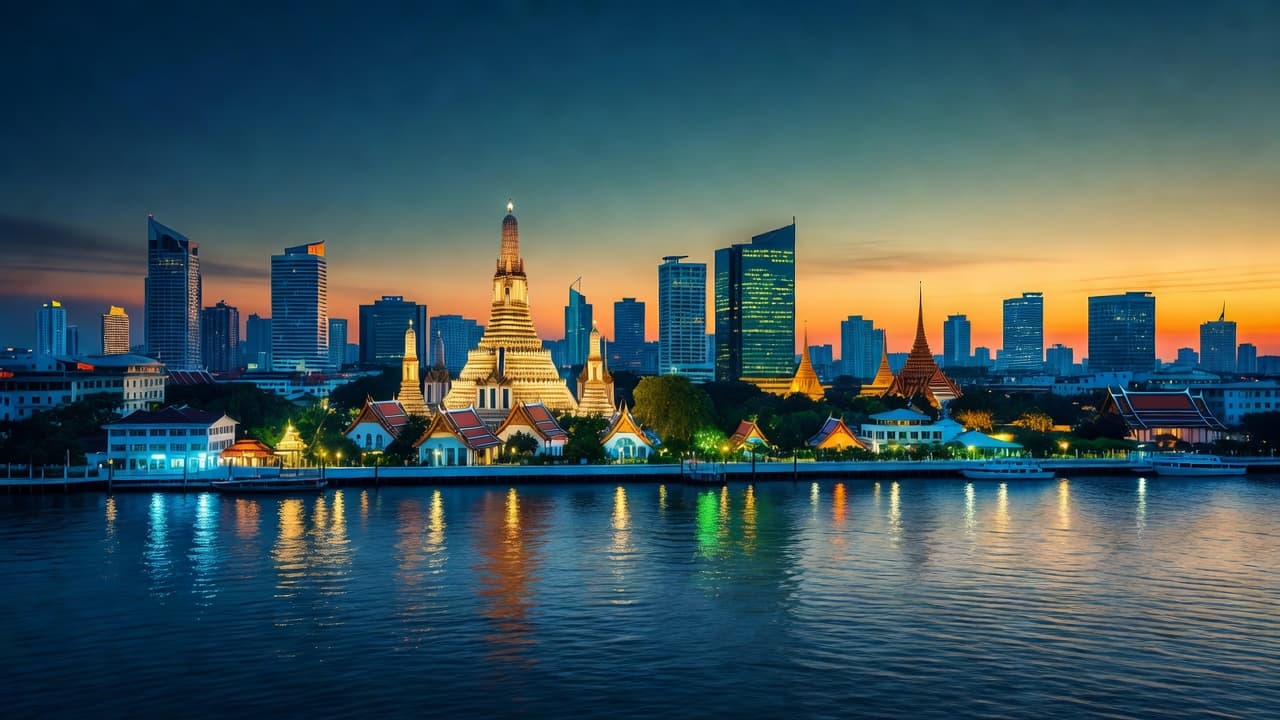
Looking for the best esim for Thailand travel? You are in the right place. Bangkok is a city that hits every sense at once — the sizzle of woks on Yaowarat Road, the golden spires of Wat Phra Kaew catching the afternoon light, the organized chaos of Chatuchak Market on a Saturday morning. Whether you are here for a 48-hour layover or a full week, this guide covers 15 things to do in Bangkok, organized into three core experiences: street food, temples, and night markets. Grab your Thailand eSIM, pull up Google Maps, and let's go.
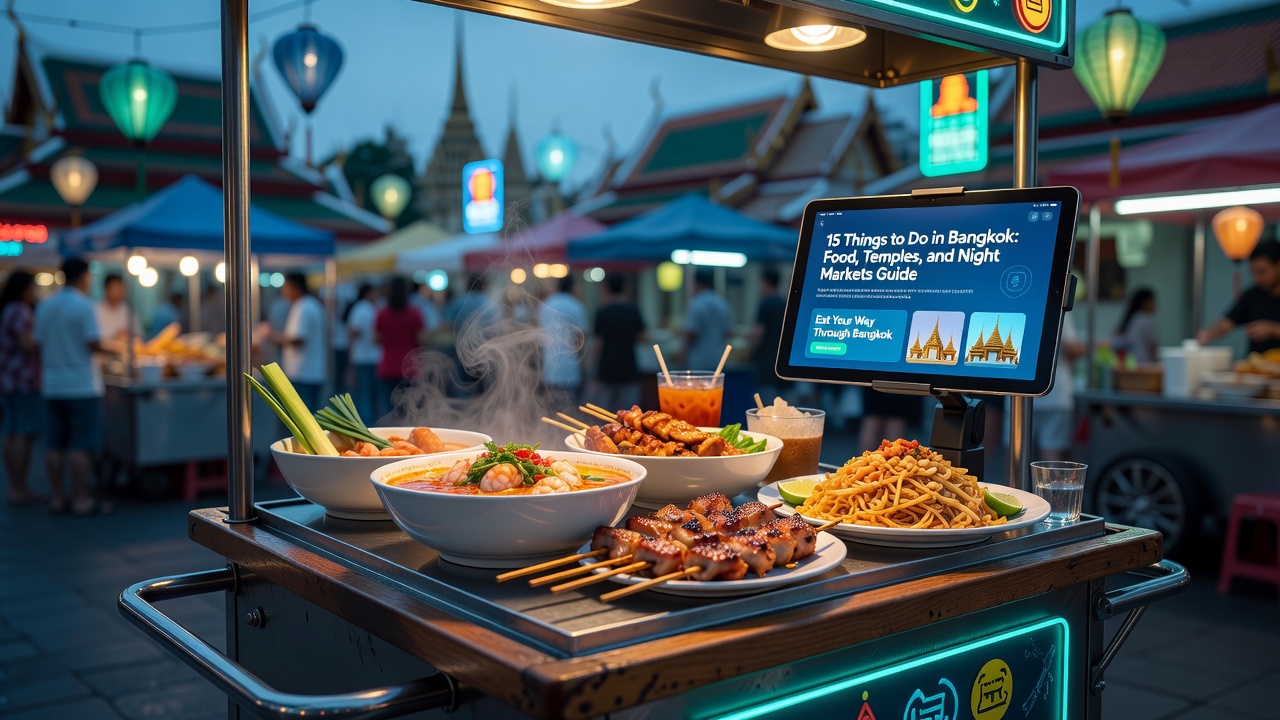
Street Food: Eat Your Way Through Bangkok
Bangkok is one of the world's great street food cities. You can eat well for $2-5 per meal, and the best food is often cooked right in front of you on pushcarts and in tiny shophouse kitchens. Having reliable travel data on your phone is essential — not just for maps, but for translating menus, finding the best-rated stalls, and posting your food photos before they get cold.
1. Yaowarat Road (Chinatown) Food Crawl
Yaowarat is Bangkok's Chinatown and its most iconic street food destination. Go after sunset when the neon signs flicker on and the entire street transforms into an open-air kitchen. Must-try dishes: kuay teow kua gai (stir-fried noodles with chicken), guay jub (rolled rice noodles in peppery broth), and the famous toast with condensed milk at Tang Jai Lee. Budget about 200-400 THB ($6-12) for a full crawl.
2. Or Tor Kor Market
Located near Chatuchak, Or Tor Kor is a premium fresh market that also has a fantastic food court. It is cleaner and more organized than most street markets, making it a great intro for travelers who are still getting their bearings. Try the moo krob (crispy pork belly rice), fresh tropical fruit, and Thai desserts like khanom krok (coconut cream cups). This is where having an esim guide on your phone helps — snap photos of dishes you love so you can find them again.
3. Jay Fai — Michelin-Starred Street Food
Jay Fai became world-famous after earning a Michelin star for her crab omelets cooked over charcoal. The omelets are thick, golden, and stuffed with premium crab meat — worth the 300-400 THB ($9-12) price tag and the wait. She opens at 2 PM and closes when she runs out of crab, usually by 8 PM. Get there early. This is one of the best examples of Bangkok's street food culture reaching global recognition without losing its soul.
4. Som Tam (Papaya Salad) at Somsak Pu Ob
For a crash course in Thai flavor profiles — sweet, sour, salty, spicy, and umami all at once — get som tam (green papaya salad) at Somsak Pu Ob in the Silom area. Order it pet nit noi (a little bit spicy) unless you want the full Thai heat experience. Pair it with sticky rice and grilled chicken for the complete meal.
5. Pad Thai at Thip Samai
Thip Samai on Maha Chai Road is widely considered the best Pad Thai in Bangkok. They cook it in large woks over charcoal, wrapping the noodles in a thin egg crepe. The queue moves fast and the payoff is worth it — this is the dish that defined Thai cuisine for the world, done at its absolute best. A plate costs about 80-150 THB ($2.50-4.50).
Temples: Bangkok's Sacred Architecture
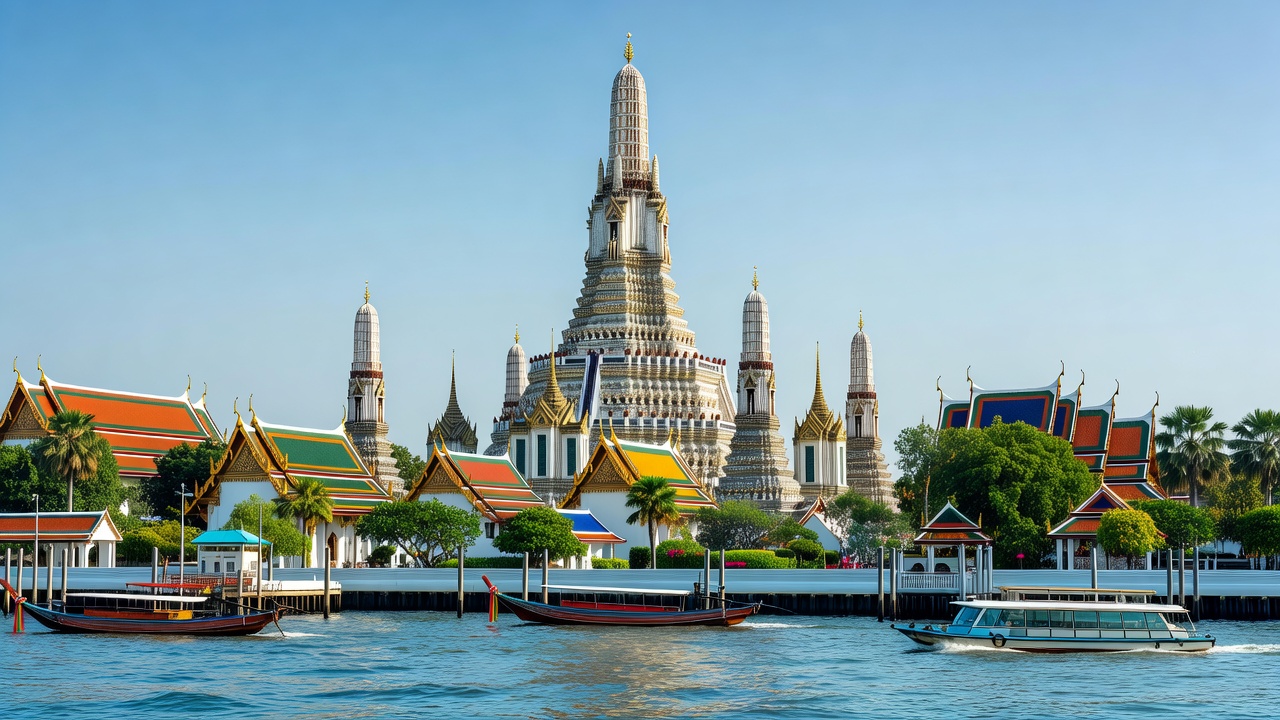
Bangkok has over 400 temples, and visiting them is one of the most rewarding things to do in the city. Dress modestly (shoulders and knees covered), remove shoes before entering prayer halls, and be respectful of worshippers. With a good international esim providing mobile data abroad, you can pull up audio guides, temple histories, and real-time transit info as you hop between sites.
6. Grand Palace and Wat Phra Kaew
The Grand Palace is Bangkok's most famous attraction and for good reason. Within its walls sits Wat Phra Kaew, home to the Emerald Buddha — Thailand's most sacred religious object. The complex is a dazzling display of golden chedis, intricate murals from the Ramakien epic, and mosaic-covered pillars. Plan 2-3 hours minimum. Entry costs 500 THB ($15) and includes admission to the Queen Sirikit Museum of Textiles. Go at 8:30 AM when it opens to beat the crowds and the heat.
7. Wat Pho (Temple of the Reclining Buddha)
Just south of the Grand Palace, Wat Pho houses a 46-meter-long Reclining Buddha covered in gold leaf with mother-of-pearl feet. It is the largest Buddha image in Thailand and one of the most impressive sights in the city. Wat Pho is also the birthplace of traditional Thai massage — get a massage at the on-site school for 260 THB ($8) for 30 minutes or 480 THB ($14) for an hour. Entry to the temple is 200 THB ($6).
8. Wat Arun (Temple of Dawn)
Wat Arun sits on the west bank of the Chao Phraya River and is one of Bangkok's most photographed temples. Its central prang (tower) is covered in broken Chinese porcelain that catches the light beautifully at sunset. Take the 5 THB cross-river ferry from Tha Tien pier. Climb the steep steps for panoramic views of the river and the city. Entry is 100 THB ($3). Best visited in the late afternoon for golden hour photos.
9. Wat Saket (Golden Mount)
Wat Saket's Golden Mount is an artificial hill topped with a golden chedi, offering 360-degree views of old Bangkok. The climb is 344 steps — not bad, and there are rest stops along the way. The temple hosts a large festival in November with food stalls, candle processions, and music. Entry is 50 THB ($1.50). The surrounding neighborhood is full of old shophouses and is great for a walk after your visit.
10. Wat Traimit (Golden Buddha)
Wat Traimit houses the world's largest solid gold Buddha statue — 5.5 tons of pure gold, discovered in 1955 when a plaster covering cracked during a move. The statue is believed to be 700-800 years old. The temple is in Chinatown, making it a perfect morning stop before a Yaowarat food crawl. Entry is 40 THB ($1.20) for the temple, or 100 THB ($3) including the museum on the upper floors.
Markets: Bangkok's Shopping Soul
Bangkok's markets are where the city truly comes alive. From massive weekend markets to riverside night bazaars, these are places to eat, shop, people-watch, and soak in the energy. Having travel connectivity via your eSIM means you can navigate the maze-like aisles, split payments with friends via messaging apps, and instantly look up whether that vintage jacket is actually a good deal.
11. Chatuchak Weekend Market
Chatuchak is the largest market in Thailand and one of the largest in the world, with over 15,000 stalls spread across 35 acres. You can buy everything here: vintage clothing, handmade ceramics, Thai silk, plants, pets, antiques, and street food. It is open every weekend from 9 AM to 6 PM, though many stalls stay open later. Go early on Saturday morning to avoid the worst heat and crowds. The market is divided into sections — grab a map at the entrance or use your phone. Budget 3-4 hours minimum. Most stalls accept cash and PromptPay QR codes.
12. Rot Fai Market (Train Night Market)
Rot Fai Market is the best night market in Bangkok for vintage and retro goods. The Ratchada location (open Thursday-Sunday, 5 PM-1 AM) is the most accessible, with tented stalls selling vintage Levi's, antique cameras, vinyl records, and mid-century furniture. The food section is excellent — try the grilled seafood, Korean cheese corndogs, and Thai iced tea. Entry is free. The market gets packed after 7 PM, so arrive early for the best browsing and photography from the parking garage rooftop.
13. Asiatique The Riverfront
Asiatique blends a night market with a mall, set along the Chao Phraya River. It has 1,500 boutiques, 40 restaurants, and a Ferris wheel. Open daily from 4 PM to midnight, it is a good option on weekdays when other night markets are closed. Take the free shuttle boat from Saphan Taksin BTS station. The Calypso Cabaret show here is a popular trans-inclusive cultural performance — tickets start at 900 THB ($27).
14. Talad Rot Fai Srinagarindra
This is the original Rot Fai Market location, further from the city center but worth the trip for serious vintage hunters. It is larger and less touristy than the Ratchada branch, with warehouse-style spaces full of mid-century furniture, vintage motorbikes, and oddities. Open Thursday-Sunday, 5 PM-1 AM. The food here is excellent and cheaper than the more central markets. Take a Grab or Bolt taxi — it is about 30 minutes from Sukhumvit.
15. Patpong Night Market
Patpong is Bangkok's most famous night market, set in the Silom entertainment district. The street market sells souvenirs, clothing, and accessories, while the surrounding sois (lanes) are home to go-go bars and nightlife venues. The market itself is touristy and prices start high — bargain hard, starting at 40% of the asking price. It is a fascinating slice of Bangkok's nightlife history, open daily from 6 PM to around 1 AM. Be aware that the area is adult-oriented; the street market itself is family-friendly, but the side streets are not.
Staying Connected in Bangkok
None of these 15 experiences are much fun without reliable internet. You need data for Grab and Bolt rides, Google Maps navigation through Soi maze streets, translating Thai menus, and finding those hidden food stalls. A Thailand eSIM from iWanteSIM gives you instant travel connectivity the moment you land at Suvarnabhumi or Don Mueang airport — no queuing at SIM kiosks, no passport registration, no roaming fees from your home carrier.
iWanteSIM offers cheap esim plans for Thailand starting from just a few dollars, with 4G coverage on major Thai networks like AIS, TrueMove, and DTAC. If you are island-hopping across Southeast Asia — Thailand, Vietnam, Cambodia, Indonesia — the Asia eSIM regional plan covers multiple countries on one plan, which is far more convenient than buying separate country SIMs. This makes it the best esim option for regional travel.
When it comes to esim vs physical sim, the advantages in Thailand are clear: no passport registration, no waiting in airport lines, no risk of losing a tiny SIM card, and you keep your home number active for iMessage and WhatsApp. An esim comparison of providers shows iWanteSIM as a strong airalo alternative and nomad alternative, often at lower prices for the same data. Browse esim plans on the iWanteSIM platform and activate via QR code before you fly.
If you are also visiting Europe on this trip, the Europe eSIM covers 30+ countries on one plan. For a true global esim experience, iWanteSIM's multi-region plans are hard to beat. Esim activation takes about two minutes — scan the QR code, enable the profile, and you are connected. See the full eSIM activation guide for step-by-step instructions.
Practical Tips for Bangkok Travelers
- Getting around: Use the BTS Skytrain and MRT subway for most central destinations. A single ride costs 16-60 THB ($0.50-1.80). For areas not covered by rail, use Grab or Bolt ride-hailing apps.
- Cash: Bring some cash. Many street food stalls and small markets are cash-only. ATMs are everywhere, but withdrawal fees for foreign cards are 220 THB ($6.50) per transaction.
- Best time to visit: November to February is the cool, dry season with temperatures around 25-30°C. March to May is brutally hot (35-40°C). June to October is rainy season — pack a light rain jacket.
- Temple etiquette: Cover shoulders and knees. No selfies with Buddha statues in worship poses. Do not point your feet at Buddha images or monks.
- Water: Do not drink tap water. Buy bottled water from 7-Eleven (10 THB / $0.30) or use refill stations.
FAQ: Bangkok Travel Questions
How many days do you need in Bangkok?
Three to four days is enough to see the Grand Palace, Wat Pho, Wat Arun, do a street food crawl in Yaowarat, and visit Chatuchak Market on a weekend. If you want to explore more neighborhoods (Sukhumvit, Thonburi, Banglamphu) and visit multiple night markets, plan for 5-7 days.
Is Bangkok safe for tourists?
Yes. Bangkok is generally very safe for tourists. Common issues are pickpocketing in crowded markets and taxi/tuk-tuk scams (always insist on the meter or use Grab). Violent crime against tourists is rare. Use standard travel common sense and you will be fine.
Do I need a visa for Thailand?
Many nationalities get visa-free entry for up to 60 days, including US, UK, EU, and Australian citizens. Check the latest requirements before you travel, as Thailand frequently updates its visa policies.
Should I get a Thailand eSIM before I travel?
Yes. Buying a Thailand eSIM before you fly means you are connected the moment you land — no airport SIM kiosk queues, no passport registration, no language barriers. iWanteSIM plans start from a few dollars and activate instantly via QR code. See our activation guide for details.
Wrapping Up
Bangkok is a city that rewards the curious. The street food is world-class, the temples are breathtaking, and the markets are unlike anything you will find elsewhere. Whether you are eating crab omelets at Jay Fai, watching the sunset from Wat Arun, or getting lost in the 15,000 stalls of Chatuchak, Bangkok delivers experiences that stay with you long after you leave.
Before you go, sort your travel esim so you can navigate, translate, and share from the moment you touch down. Get your Thailand eSIM from iWanteSIM and focus on what matters — eating, exploring, and enjoying every minute in one of Southeast Asia's most thrilling cities.