10 Things to Do in Seoul: Your 2026 Food, K-Pop, and Culture Guide
Quick Answer: The best things to do in Seoul include exploring Myeongdong's street food stalls, visiting Gyeongbokgung Palace in hanbok, catching live K-Pop performances, shopping in Gangnam, and staying connected with a Korea eSIM for seamless navigation.
Introduction
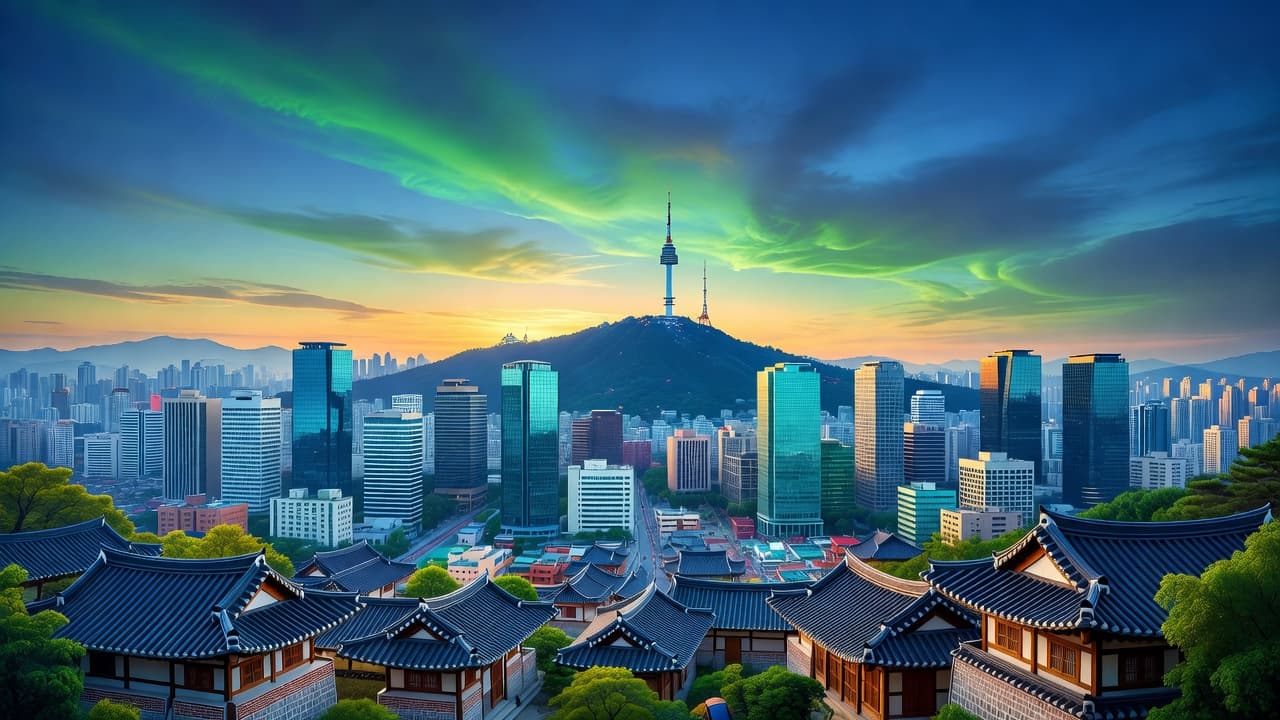
Seoul pulses with energy. It's a city where ancient palaces sit beside neon-lit shopping districts, where K-Pop idols train in Gangnam studios while street vendors serve tteokbokki in Myeongdong alleys.
For 2026 visitors, Seoul offers more than just sightseeing — it's about immersion. Whether you're a foodie, a K-Pop fan, or a culture seeker, this guide breaks down the 10 essential experiences that belong on every itinerary.
Pro tip before you arrive: Grab a Korea eSIM so you can navigate subways, translate menus, and post updates without hunting for Wi-Fi.
1. Wander Through Myeongdong's Street Food Paradise
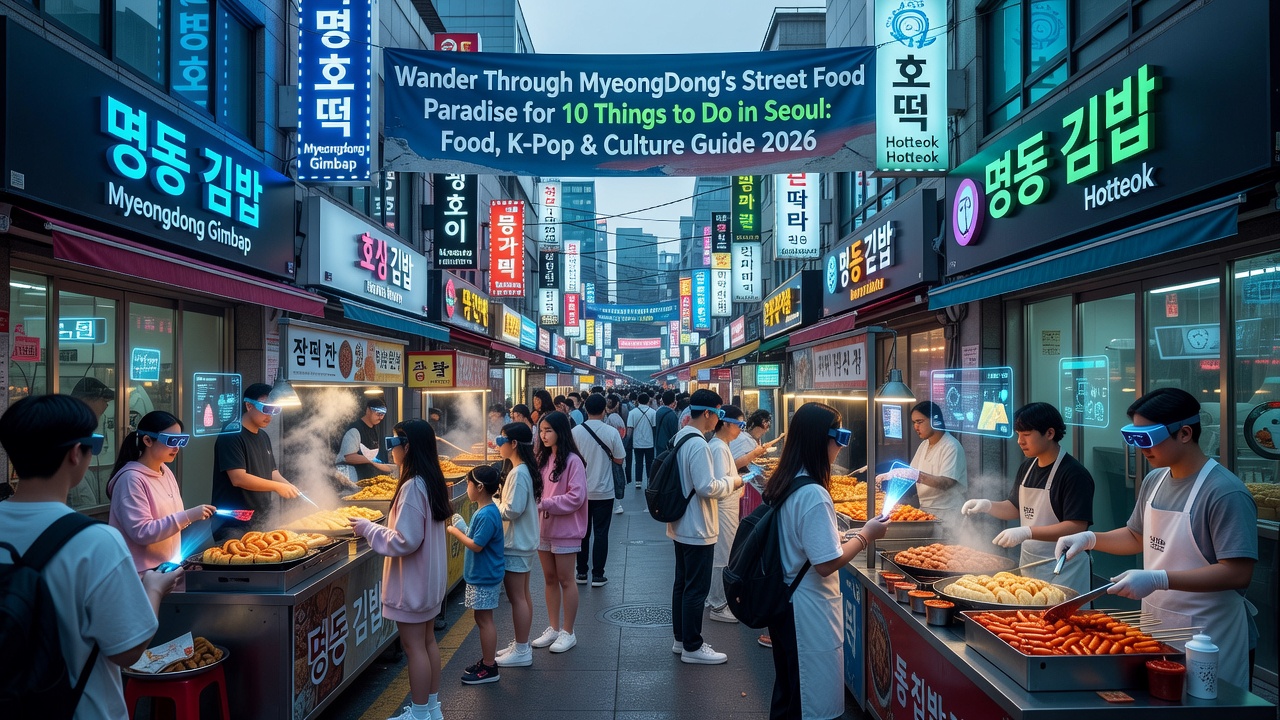
Myeongdong isn't just a shopping district — it's Seoul's most famous street food hub. From late afternoon until nearly midnight, food stalls line the pedestrian streets serving everything from tornado potatoes to Korean-style fried chicken.
Must-try dishes:
- Tteokbokki — Spicy rice cakes in gochujang sauce
- Odeng — Fish cake skewers in warm broth
- Hotteok — Sweet pancakes filled with brown sugar and nuts
- Korean corn dogs — Mozzarella-stretched, batter-dipped creations
Arrive hungry, carry cash, and don't be afraid to point at what looks good. Most stalls charge between ₩3,000–8,000 ($2–6 USD) per item.
2. Step Back in Time at Gyeongbokgung Palace
Gyeongbokgung Palace is Seoul's largest and most iconic royal residence. Built in 1395, it served as the main palace during the Joseon Dynasty.
Visitor tips:
- Free entry if you wear a hanbok (traditional Korean dress)
- Changing of the Guard ceremony happens at 10:00 AM and 2:00 PM daily
- Best photo spots: Geunjeongjeon Hall and the Gyeonghoeru Pavilion reflected in its pond
Plan for at least 2 hours. Nearby Bukchon Hanok Village offers traditional tea houses for a post-palace break.
3. Experience K-Pop Culture in Gangnam
Gangnam isn't just a district — it's a global K-Pop pilgrimage site. SM Entertainment, JYP, and YG Entertainment all operate spaces here where fans can experience idol culture firsthand.
What to do:
- K-Star Road — Spot the GangnamDol statues of your favorite idols
- SM Town COEX Artium — Museum, cafe, and merch store
- K-Pop dance classes — Learn choreography from professional instructors
Even if you're not a die-hard fan, Gangnam's energy is infectious. The district's luxury boutiques and late-night cafes make it worth the subway ride.
4. Hike Namsan Mountain for Seoul's Best View
Namsan Mountain sits in the heart of Seoul, offering panoramic city views from N Seoul Tower. The hike takes 30–45 minutes from Myeongdong, or you can take the cable car.
Best time to visit: Sunset. Watch the city transition from day to night as millions of lights flicker on.
The tower's observation deck costs ₩16,000 ($12 USD), but the surrounding park and viewpoints are free.
5. Explore Insadong's Traditional Culture
Insadong is Seoul's cultural corridor — a neighborhood of antique shops, art galleries, and traditional tea houses. It's the best place to buy handmade crafts, calligraphy supplies, and Korean pottery.
Don't miss:
- Ssamziegil — A spiraling shopping complex with local designer goods
- Traditional tea ceremonies — Sip omija or persimmon tea in a hanok cafe
- Street performances — Weekend afternoons bring musicians and artists
Insadong feels slower than Myeongdong. It's where Seoul shows its contemplative side.
6. Eat Your Way Through Gwangjang Market
Gwangjang Market is Seoul's oldest traditional market and a UNESCO-recognized food destination. Unlike tourist-focused spots, this is where locals actually eat.
Signature dishes:
- Bindaetteok — Mung bean pancakes, crispy and savory
- Mayak gimbap — Mini seaweed rice rolls, dangerously addictive
- Yukhoe — Korean raw beef, sliced thin and seasoned with sesame oil
- Live octopus (sannakji) — For adventurous eaters only
Most stalls have English menus now, but pointing and smiling still works. Budget ₩10,000–15,000 ($7–11 USD) for a full meal.
7. Visit Bukchon Hanok Village
Bukchon Hanok Village preserves Seoul's traditional hanok architecture. Between Gyeongbokgung and Changdeokgung palaces, this hillside neighborhood offers a glimpse into 600 years of Korean residential design.
Etiquette matters here:
- Keep voices down — people still live in these homes
- Stay on designated walking paths
- Visit early morning (before 9 AM) to avoid crowds
The photo opportunities are endless, but respect the residents' privacy.
8. Catch a Live K-Pop Performance
Seoul is the only city where you can watch K-Pop idols perform live — sometimes for free. Music show tapings like Inkigayo, Music Bank, and Show! Music Core offer fan tickets to watch live broadcasts.
How to attend:
- Music shows: Apply through official fan clubs (requires membership)
- Busking in Hongdae: Free street performances most weekends
- Club nights in Itaewon: K-Pop themed DJ sets
Hongdae's indie music scene is equally vibrant. Catch unsigned bands playing original material in basement clubs.
9. Shop Until You Drop in Dongdaemun
Dongdaemun Design Plaza (DDP) is Seoul's most futuristic architecture — and it's surrounded by 24-hour shopping malls. This is where Korean fashion trends are born.
Shopping strategy:
- Doota Mall — Curated Korean designers, open until 5 AM
- Migliore — Bulk wholesale prices, haggling expected
- Dongdaemun Night Market — Street fashion and accessories after dark
Bring a rolling suitcase. You'll need it.
10. Relax at a Korean Jimjilbang
After all that walking, your body will demand recovery. Korean jimjilbangs (24-hour bathhouses) offer saunas, hot pools, massage chairs, and communal sleeping areas for ₩10,000–20,000 ($7–15 USD).
Popular options:
- Dragon Hill Spa — Foreigner-friendly with English signage
- Silloam Sauna — Traditional, local atmosphere
Spend a few hours sweating, soaking, and sleeping. It's the most Korean way to end a day.
Key Takeaways
- Myeongdong and Gwangjang Market are essential for Korean street food lovers — budget ₩10,000–20,000 per food excursion
- Gyeongbokgung Palace and Bukchon Hanok Village offer the best cultural immersion, especially in traditional hanbok
- Gangnam is the center of K-Pop culture, from idol merchandise to dance classes
- Hongdae and Itaewon provide live music and nightlife beyond the mainstream
- A Korea eSIM ensures seamless navigation, translation, and sharing throughout your trip
- Jimjilbangs are the authentic, budget-friendly way to recover after intense sightseeing
Frequently Asked Questions
What is the best time to visit Seoul?
Spring (April–May) and autumn (September–November) offer mild weather and stunning foliage. Summer is humid and crowded, while winter is cold but festive with holiday lights.
How many days do I need in Seoul?
Plan for 4–5 days minimum to cover major districts without rushing. A week allows deeper exploration of neighborhoods like Hongdae, Itaewon, and Yeonnam-dong.
Is Seoul expensive for tourists?
Seoul is moderately priced. Street food costs $2–6 per item, palace entry is free with hanbok rental, and subway fares start at ₩1,400 ($1). Accommodation ranges from $30 hostels to $300 luxury hotels.
Do I need to speak Korean to visit Seoul?
No. Major tourist areas have English signage and menus. Download Papago (Korea's translation app) and grab a Korea eSIM for real-time translation and navigation.
Where can I buy a Korea eSIM?
Purchase a Korea eSIM online before arrival for instant activation. Most providers offer 7-day and 30-day plans with unlimited data, perfect for navigation and social media.
Is Seoul safe for solo travelers?
Yes. Seoul consistently ranks among the world's safest cities. Violent crime is rare, and public transportation runs until midnight. Solo travelers — including women — report feeling secure even at night.
What should I wear in Seoul?
Seoulites dress stylishly. Casual clean outfits work for sightseeing, but bring comfortable walking shoes. For palace visits, rent a hanbok for free entry and photos.
Can I see K-Pop idols in Seoul?
Possibly. Music show tapings offer fan tickets, and idol cafes in Gangnam sometimes host unofficial sightings. Street performances in Hongdae feature talented trainees and indie artists.
What is the best neighborhood to stay in Seoul?
Myeongdong for first-timers (central, food-heavy), Hongdae for nightlife and youth culture, Gangnam for luxury and K-Pop proximity, and Insadong for a traditional atmosphere.
How do I get around Seoul?
The Seoul Metro is efficient, affordable, and English-signposted. Taxis are plentiful and inexpensive. A T-money card (available at convenience stores) works on all public transport.
Conclusion
Seoul rewards the curious. Whether you're slurping noodles in a back alley, posing in hanbok at a 600-year-old palace, or catching your breath in a 24-hour sauna, the city delivers experiences you won't find anywhere else.
Start with these 10 activities, but leave room for surprise. Seoul's best moments often happen when you take a wrong turn down a neon-lit street.
Ready to explore? Stay connected from touchdown with a Korea eSIM — because getting lost in Seoul is fun, but getting lost without maps is just stressful.