Best Time to Visit South Korea: Cherry Blossoms, Fall Colors & Winter Ski
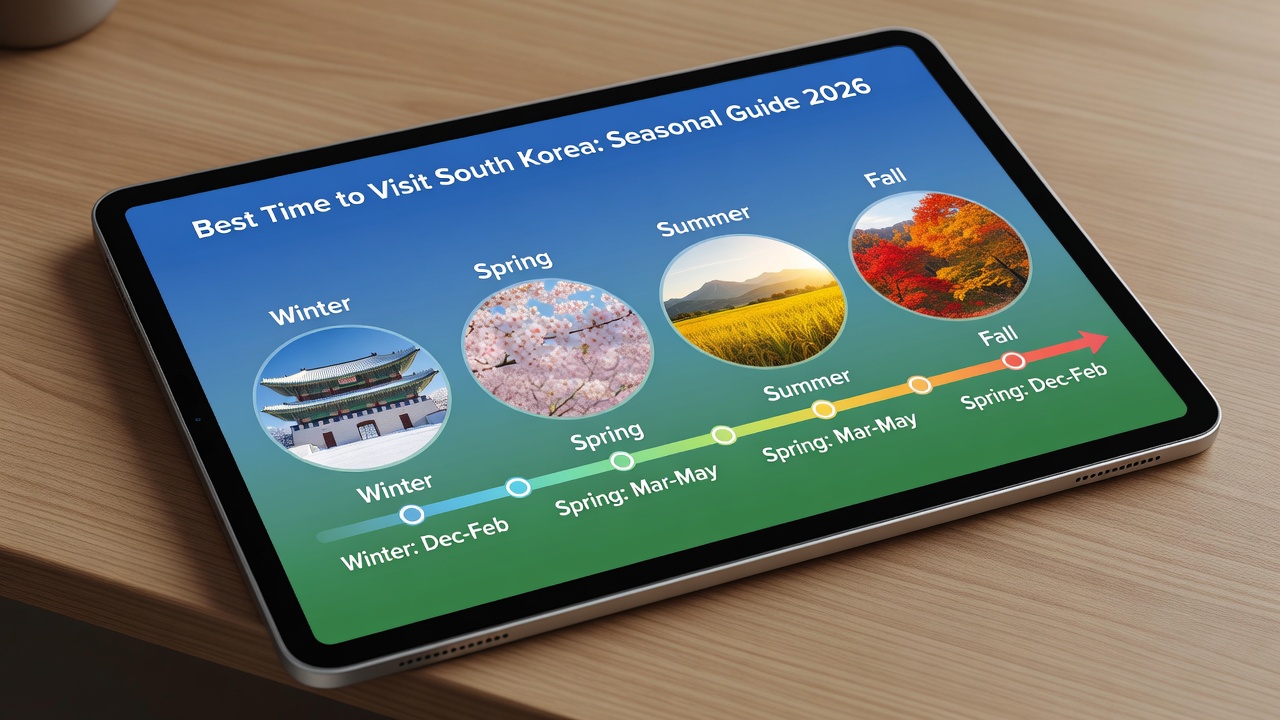
Quick Answer: The best time to visit South Korea depends on your interests — March to May for cherry blossoms and mild weather, September to November for stunning autumn foliage, and December to February for world-class skiing and snow festivals. Each season offers a completely different Korean experience.
Introduction
South Korea packs four distinct seasons into a compact peninsula, and timing your visit can make or break your experience. Whether you're dreaming of pink cherry blossom tunnels in Seoul, fiery red maple mountains in Seoraksan, or carving powder slopes in Pyeongchang, Korea's seasonal calendar is remarkably reliable.
But here's the catch: each season is short, and the peak moments last only a few weeks. Miss cherry blossom season by a week, and you're looking at bare branches. Arrive for autumn foliage too early, and the leaves are still green. This guide breaks down exactly when to visit for each major Korean seasonal experience — with practical timing advice you won't find in generic travel brochures.
Spring in South Korea: Cherry Blossom Season
When is the best time to see cherry blossoms in Korea?
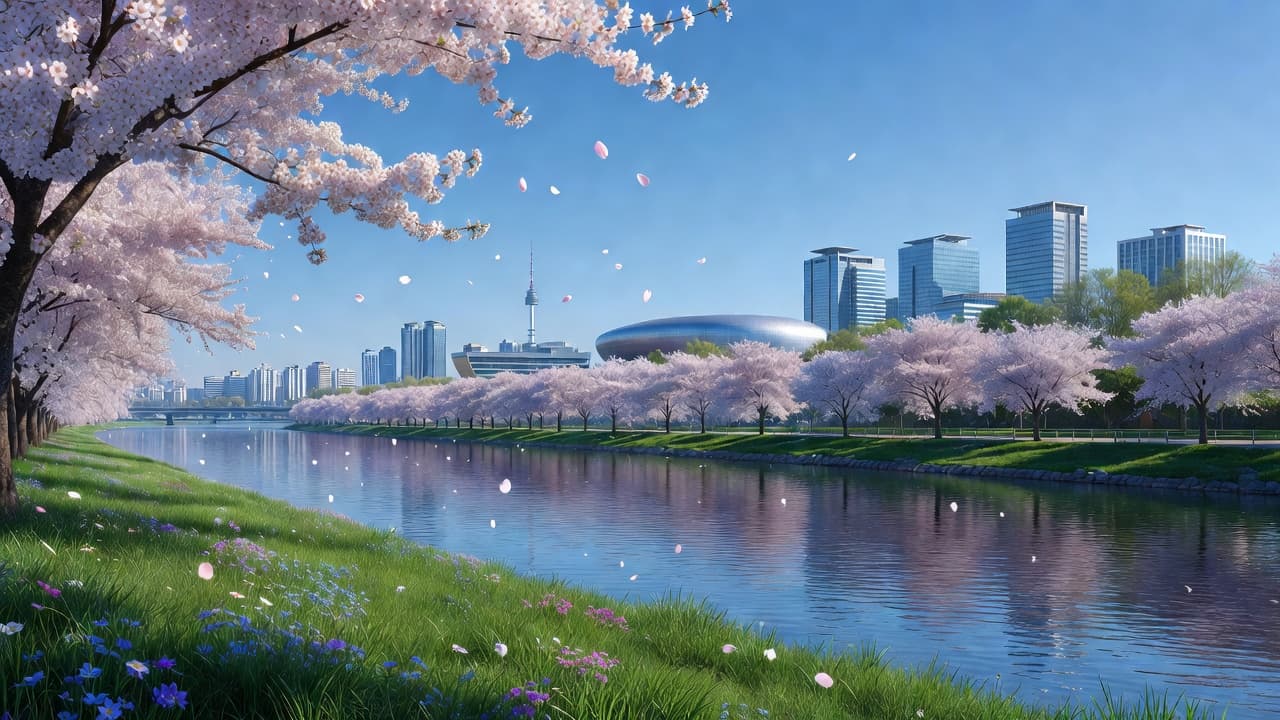
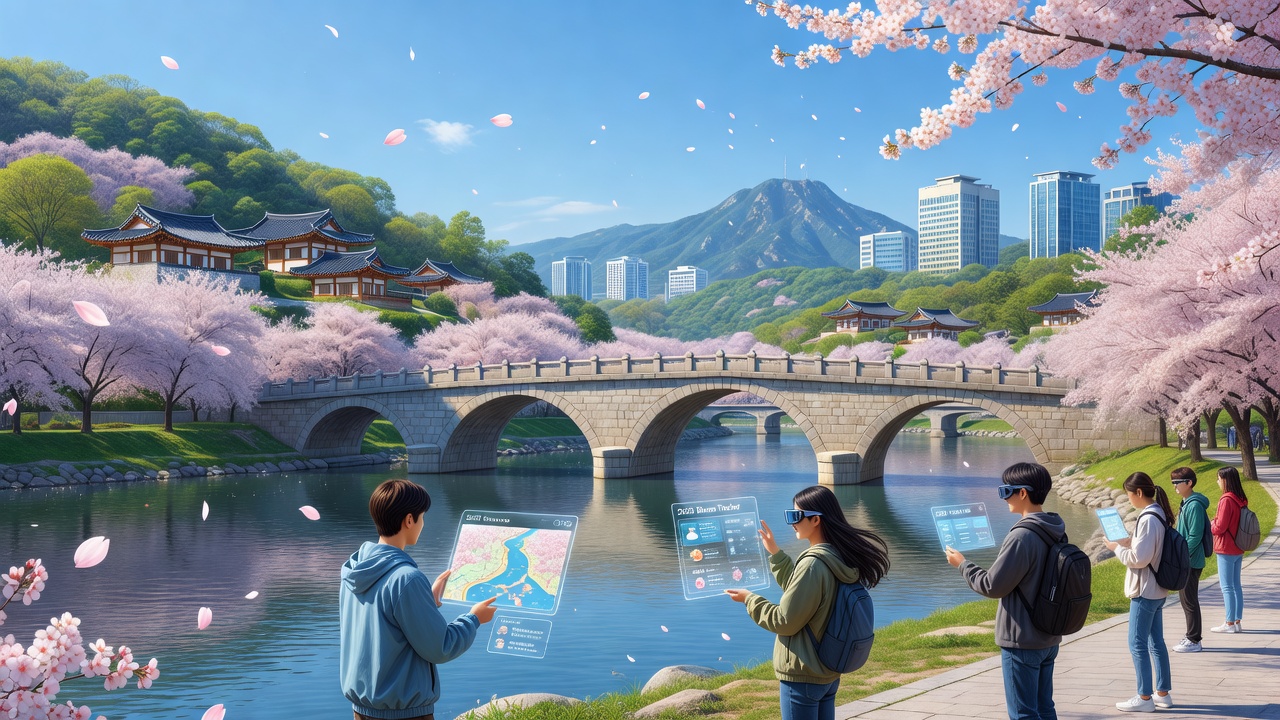
Cherry blossom season in South Korea runs from late March through early May, with peak bloom typically occurring in the first two weeks of April. Jeju Island sees the earliest blooms (late March), while Seoul and the central regions hit peak around April 5-12.
The most famous variety is the yeongdeungpo yeok (King Cherry), but you're more likely to encounter the delicate somei yoshino trees lining Seoul's streets and riverbanks.
Best places to see cherry blossoms
- Yeouido Hangang Park, Seoul — Over 1,600 cherry trees along the Han River; the annual Yeouido Spring Flower Festival draws massive crowds
- Jinhae, Gyeongsangnam-do — Korea's largest cherry blossom festival with 360,000 trees creating white tunnels over streams and railway tracks
- Gyeongju — Ancient temple ruins framed by pink blossoms; stunning for photography
- Jeju Island — Early blooms (late March) and the rare King Cherry at Seogwipo
Why spring is an ideal visit window
Spring offers mild temperatures (10-20°C), clear skies, and Korea's most photogenic landscapes. It's also pre-monsoon and pre-humidity, meaning comfortable walking weather for exploring Seoul's palaces, Busan's beaches, and Jeju's volcanic terrain.
Spring is festival season — beyond cherry blossoms, you'll find the Jindo Sea Parting Festival, Boseong Green Tea Festival, and numerous temple lotus lantern celebrations leading up to Buddha's Birthday.
Pro tip: Book accommodation 2-3 months ahead for cherry blossom season. Seoul hotels fill up fast, especially around Yeouido and Gangnam.
And to stay connected with a Korea eSIM while navigating festivals and booking last-minute restaurant reservations, having reliable mobile data is essential.
Autumn in South Korea: Fall Foliage Season
When is the best time to see autumn leaves in Korea?
Fall foliage in South Korea peaks from mid-October through early November, with the first colors appearing in northern mountain regions (Seoraksan, Odaesan) around October 10-15, and Seoul's urban parks following around October 25-November 5.
Korea's autumn is crisp, dry, and visually spectacular — the humidity drops, the skies turn crystalline blue, and the mountains explode in red, orange, and gold.
Best places to see autumn foliage
- Seoraksan National Park — Korea's most famous autumn destination; the cable car to Gwongeumseong Fortress offers panoramic views of crimson valleys
- Naejangsan National Park — Known as "the mountain of autumn colors"; maple tunnel walk is iconic
- Jirisan National Park — The Nogodan ridge walk through frost-kissed silver grass and red maples
- Deoksugung Stone Wall Road, Seoul — Urban autumn at its finest; ginkgo trees turn brilliant gold against historic palace walls
Why autumn is an ideal visit window
Autumn is arguably Korea's most pleasant season for active travel. Daytime temperatures hover around 15-22°C — perfect for hiking, cycling, and outdoor exploration without summer's oppressive humidity or winter's biting cold.
The autumn harvest brings seasonal food highlights: fresh persimmons, chestnuts, grilled mackerel, and the first batch of kimchi fermentation. It's also when Korean spas (jjimjilbang) feel most rewarding after a brisk mountain hike.
Photographers particularly love Korea's autumn light — the low-angle sun and clear atmospheric conditions create stunning golden-hour conditions that last longer than in summer.
Winter in South Korea: Ski Season
When is Korea's ski season?
South Korea's ski season runs from late November through early March, with the best snow conditions typically in January and February. Most resorts open by the first week of December and operate until the first week of March, weather permitting.
Resorts receive natural snowfall, but extensive snowmaking systems ensure consistent conditions regardless of the weather.
Best ski resorts in South Korea
- Yongpyong Resort — Korea's largest ski resort, host of 2018 Winter Olympics alpine events; 28 slopes across all difficulty levels
- Phoenix Snow Park — Another Pyeongchang 2018 venue; excellent for intermediates and freestyle terrain park riders
- High1 Resort — Highest elevation resort in Korea (1,345m base) with the longest season and best natural snow
- Vivaldi Park — Closest major resort to Seoul (90 minutes); popular for weekend trips and night skiing
Why winter is an ideal visit window
Korea's winter offers a completely different personality from its other seasons. The country transforms into a snow sports paradise with modern infrastructure, affordable lift tickets (roughly $60-80 USD/day compared to $150+ in Japan or North America), and English-friendly resort services.
Beyond skiing, winter brings unique Korean experiences: the Hwacheon Sancheoneo Ice Fishing Festival, Pyeongchang Trout Festival, outdoor jjimjilbang (sauna) sessions in the snow, and piping hot street food — odeng (fish cake), hotteok (sweet pancakes), and tteokbokki taste better in freezing weather.
Seoul's Christmas and New Year illuminations are spectacular, and the city's extensive underground shopping malls make cold-weather urban exploration surprisingly comfortable.
Seasonal Travel Comparison
| Season | Peak Period | Weather | Crowds | Best For |
|---|---|---|---|---|
| Spring | April 1-15 | 10-20°C, mild | High | Cherry blossoms, festivals, hiking |
| Autumn | Oct 20-Nov 10 | 10-20°C, crisp | Moderate | Foliage, photography, food |
| Winter | Jan-Feb | -5 to 5°C, cold | Low (resorts busy) | Skiing, snow festivals, spa culture |
Key Takeaways
- Spring (late March-early May) delivers cherry blossoms and Korea's most iconic scenery, but book accommodation months ahead
- Autumn (mid-October-early November) offers the most comfortable weather and spectacular fall foliage across mountain national parks
- Winter (December-March) transforms Korea into an affordable, world-class ski destination with unique cold-weather cultural experiences
- Each peak season lasts only 2-4 weeks — precise timing matters more in Korea than in many other destinations
- Having reliable mobile data helps you track bloom forecasts, trail conditions, and real-time ski lift status — stay connected with a Korea eSIM for seamless travel
Frequently Asked Questions
What is the absolute best month to visit South Korea?
April and October are the two peak months — April for cherry blossoms and mild spring weather, October for autumn foliage and crisp hiking conditions. Both offer comfortable temperatures and Korea's most photogenic landscapes.
How long does cherry blossom season last in Seoul?
The peak bloom period lasts only about 7-10 days, typically around April 5-12. The full flowering season from first bloom to petal fall spans roughly 2-3 weeks, but the iconic "pink tunnel" effect is brief.
Is South Korea expensive to visit during peak seasons?
Accommodation prices in Seoul can double during cherry blossom season (April) and the October foliage period. Ski resort prices remain relatively affordable compared to Japan or North American destinations, even during peak winter weeks.
Do I need to speak Korean to travel during these seasons?
No — major tourist areas, ski resorts, and Seoul's transport system are English-friendly. However, having mobile data for translation apps and real-time navigation is extremely helpful, especially when traveling to rural blossom or foliage areas.
What should I pack for Korea's seasonal travel?
Spring: layers and a light jacket for cool mornings; autumn: fleece and windbreaker for mountain hiking; winter: thermal base layers, insulated jacket, waterproof boots, and ski gear (or rent on-site at resorts for $30-50/day).
Can I see cherry blossoms and autumn foliage in the same trip?
Not naturally — they occur six months apart. However, if you visit in late October, you may catch late-blooming ginkgo gold alongside early snow dusting in Seoraksan's higher elevations.
Are Korea's ski resorts suitable for beginners?
Yes — Yongpyong and Vivaldi Park both have extensive beginner zones with English-speaking instructors. Korean ski schools are well-organized and affordable compared to Western resorts.
How do I track cherry blossom and autumn foliage forecasts?
Korea Meteorological Administration releases bloom forecasts 7-10 days ahead. Local tourism boards update foliage progression maps weekly during peak season. A Korea eSIM with reliable data ensures you can check these real-time updates while traveling.
Is winter in Korea too cold for non-skiers?
Daytime Seoul temperatures hover around 0-5°C in January — cold but manageable with proper clothing. Seoul's extensive underground shopping, heated palace floors (ondol), and hot spring spas make winter urban travel comfortable even without skiing.
What are the shoulder seasons like in Korea?
Late May-June (pre-monsoon) and late November (pre-ski season) offer lower prices and thinner crowds, but weather is less predictable. Summer (July-August) is hot, humid, and rainy — generally avoid unless you're visiting beaches or water parks.
Conclusion
South Korea rewards travelers who plan around its distinct seasonal calendar. Spring's cherry blossoms, autumn's fiery foliage, and winter's powder slopes each offer experiences that rank among East Asia's best — but only if you time your visit right.
The key is matching your travel dates to your priorities: book spring 2-3 months ahead for blossom season, aim for mid-October to early November for peak autumn colors, and target January-February for the most reliable ski conditions.
Wherever your Korean seasonal adventure takes you — from Jinhae's white blossom tunnels to Seoraksan's red maple ridges to Yongpyong's Olympic slopes — make sure you're equipped to navigate, translate, and share your journey. Stay connected with a Korea eSIM for reliable data from touchdown to takeoff, and experience Korea's incredible seasonal transformations without missing a moment.